
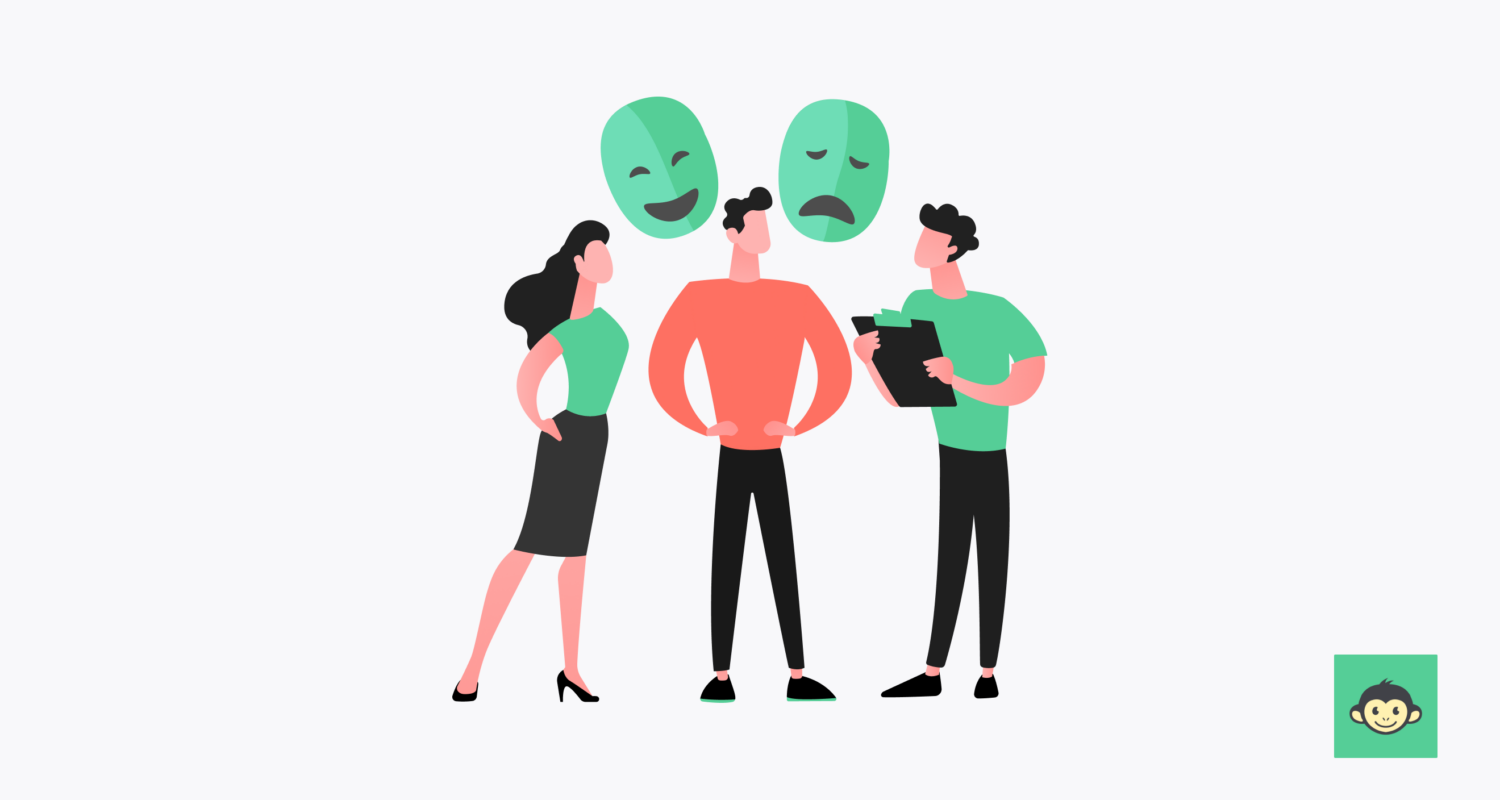
How Prejudices Divide People and Limit Their Self-Development
From this article you will learn:
-
What bias is and what it consists of
-
How bias is formed and why it harms everyone
-
Why prejudices limit self-development
-
How to become less biased and think more flexibly
What Is Bias?
Bias, from a psychological perspective, is the tendency to form opinions, judgments, or attitudes based not on facts but on preconceptions, stereotypes, and past experiences. It is a mental shortcut a way the brain simplifies complex information but it often leads to distorted, unfair, and emotionally harmful conclusions.
Psychologists emphasise that bias functions like a filter: rather than seeing a person or situation clearly, we interpret it through old emotional wounds, cultural scripts, and deeply ingrained beliefs.
For example, Sveta has been betrayed by three partners. Each time, she opened her heart, trusted fully, and each time, she was hurt. Eventually, this accumulated emotional pain shaped a rigid belief: “People cannot be trusted. Everyone betrays.”
This prejudice now colours every new interaction:
-
When someone offers help, she assumes they want something from her.
-
When someone is kind, she suspects manipulation.
-
When a new partner shows interest, she prepares for betrayal.
In this sense, bias becomes a form of self-protection. Sveta’s mind is trying to prevent her from being hurt again. But the irony is painful: in trying to avoid harm, she unknowingly blocks possible love, friendship, and support from people who genuinely want to care for her.
This is the tragedy of prejudice: it protects and then imprisons.
Bias makes us rely on sweeping generalisations and rigid assumptions instead of reality. It makes us think, speak, and act from a distorted perception of the world.
What Makes Up Bias?
Bias is a psychological construct made up of two key components:
1. Stereotypes
These are simplified ideas about groups, people, or situations, formed through past experiences, upbringing, or cultural messaging.
Example:
“People with bright hair are rude.”
“Tall people are confident.”
“Introverts dislike socializing.”
2. Attitudes and personal beliefs
These are emotional evaluations we assign to people or situations based on subjective experiences.
Example:
“People who are late don’t respect others.”
“Anyone who talks loudly is aggressive.”
“People who are rich must be arrogant.”
Together, stereotypes and attitudes create cognitive biases systematic errors in thinking that affect judgment and decision-making.
Bias is not always obvious. Often, it hides beneath conscious awareness.
Let’s imagine Vanya, an engineer who meets a new colleague with brightly coloured hair. In the past, people with similar appearances mocked him, calling him old-fashioned. Without realising it, Vanya formed the stereotype: “People with unusual hairstyles are disrespectful and boundary-breaking.”
Yet Vanya has two options:
-
Healthy caution: He notices his stereotype, acknowledges it, but still gives the new colleague a chance.
-
Prejudiced behaviour: He avoids the colleague completely, rejecting any possibility that his assumptions might be wrong.
Bias is not simply about noticing patterns it’s about closing the door to new experiences.
Bias vs. Categorical Thinking: What’s the Difference?
Bias operates on specific topics: trust, appearance, social behaviour, gender roles, culture.
Categorical thinking, however, is a broader cognitive style seeing the world in black-and-white terms. Categorical thinkers tend to say:
-
“Always”
-
“Never”
-
“Everyone”
-
“No one”
-
“Right vs wrong”
A person may have a few strong prejudices yet be flexible in other areas.
A categorical thinker, however, tends to be rigid everywhere.
Psychologists explain that categorical thinking fuels judgment, moral extremism, and intolerance, making it harder to adapt to new information or accept nuance.
Where Bias Comes From: The Roots of Prejudice
We all accumulate stereotypes and judgments. They build up quietly, influenced by:
1. Personal Experiences
Our brains are designed to protect us so painful experiences get encoded deeply.
A betrayal leads to distrust.
A humiliation leads to cynicism.
A frightening event leads to avoidance.
2. Childhood Environment and Family Beliefs
Parents pass on their worldview sometimes without realising it.
Children raised in families where distrust, fear, or judgment dominates are more likely to grow up with ingrained prejudices, such as:
-
“Strangers are dangerous.”
-
“Don’t trust anyone.”
-
“People only help when they want something.”
-
“Those who look different are dangerous.”
3. Cultural and Social Influence
Prejudices spread socially.
They are contagious.
Research from Dr. Allison Skinner shows that humans automatically absorb the emotional tone of their environment including biases. If most members of a group react negatively to someone, others tend to adopt that attitude instinctively, even without knowing why.
4. Cognitive Shortcuts and the Brain’s Negativity Bias
Evolution wired the brain to detect threats quickly.
This makes us naturally more suspicious than trusting.
When something or someone doesn’t match what we expect, we treat it as a potential danger. This survival mechanism once saved lives but today, it often harms relationships.
Why Bias Is Harmful
1. Bias Narrows Your Worldview
Prejudices limit how we see people and situations.
They trap us in old thinking and prevent intellectual and emotional growth.
When Sveta assumed all people betray, she stopped giving anyone a chance to prove otherwise. Her bias turned a painful memory into a lifelong limitation.
Bias is like wearing sunglasses indoors everything becomes dimmer, less accurate, distorted.
Psychologist Elena compares bias to antibiotics:
“At first, attitudes protect us from harm.
But if we rely on them constantly, they stop being helpful
and start damaging our emotional health.”
2. Bias Damages Communication and Relationships
Prejudices make us judge before we understand.
This makes relationships shallow, tense, or impossible.
Bias leads to:
-
Misinterpretation of others’ intentions
-
Unnecessary conflicts
-
Emotional distance
-
Loss of trust
-
Avoidance of diversity and new experiences
Most importantly, bias undermines emotional empathy.
When we judge, we stop listening.
3. Bias Fuels Discrimination and Social Division
Bias leads to harmful social patterns:
-
Racism
-
Xenophobia
-
Body shaming
-
Sexism
-
Ageism
-
Prejudice against mental illness
-
Stigma against professions, classes, or lifestyles
Prejudice divides communities, families, workplaces, and even nations. It feeds hatred, misunderstanding, and exclusion.
4. Bias Limits Self-Development
Prejudice doesn’t only hurt others it hurts us.
It blocks:
-
Open-minded thinking
-
Flexibility
-
Creativity
-
Learning new skills
-
Healthy risk-taking
-
Emotional resilience
People who cling to stereotypes often remain stuck in old mental patterns, repeating the same mistakes and living with unnecessary fears.
How to Become Less Biased
Bias can’t be completely eliminated it’s part of being human.
But it can be reduced.
Step 1: Learn to Recognize Bias in Yourself
The first step is awareness.
Ask yourself:
-
“Which groups or behaviours do I judge automatically?”
-
“Where did these beliefs come from?”
-
“Were they formed through pain, fear, or someone else’s opinion?”
Elena recommends listing situations where prejudice held you back:
-
opportunities missed
-
people misjudged
-
friendships avoided
-
decisions made out of fear
-
learning refused
This helps uncover the unconscious patterns controlling your life.
Step 2: Challenge Old Beliefs
Once you notice a bias, question it gently:
-
“Is this always true?”
-
“Do I know exceptions?”
-
“What evidence supports this belief?”
-
“What evidence contradicts it?”
-
“What would happen if I paused before judging?”
Often, biases dissolve when brought into the light.
Step 3: Expose Yourself to New Experiences
The best antidote to prejudice is contact real, human interaction.
Try:
-
Conversations with people of different backgrounds
-
Visiting new places
-
Reading authors with opposing views
-
Learning unfamiliar customs or cultures
-
Listening instead of reacting
-
Asking questions rather than assuming
This slowly rewires the brain from fear to curiosity.
Step 4: Practice Empathy
Empathy is the enemy of bias.
Try putting yourself in someone else’s place:
-
“What might they be feeling?”
-
“What experiences shaped them?”
-
“What pressures are they facing that I don’t see?”
When we humanize others, stereotypes collapse.
Step 5: Slow Down Your Thinking
Bias often appears when decisions are rushed.
If you pause even for 5 seconds you create space for reflection instead of instinctive judgment.
Step 6: Accept Human Differences
Bias thrives on the belief that only one version of life, values, or behaviour is “right.”
But the world is diverse, complex, and ever-changing.
Recognizing that different doesn’t mean dangerous is essential for open-mindedness.
Step 7: Seek Psychotherapy if Needed
Since prejudice often arises from trauma, emotional wounds, or deep fear, therapy (especially Cognitive-Behavioural Therapy) helps restructure these ingrained patterns.
A therapist can help you:
-
identify hidden biases
-
understand their origins
-
reduce emotional reactivity
-
build new behavioural strategies
-
learn flexible thinking
-
heal old hurts that created the prejudice
The Bottom Line: Bias Harms Everyone but It Can Be Changed
Bias is part of being human.
But unchecked prejudice:
-
limits your worldview
-
destroys relationships
-
blocks self-growth
-
fuels discrimination
-
increases loneliness and misunderstanding
Recognising your own biases isn’t a weakness it’s a sign of maturity. Working through them doesn’t just make you more tolerant; it makes your life richer, broader, and more connected.
Prejudice will always exist to some degree, but you have the power to minimise its influence and choose understanding over fear.