
A New Kind of Influence: When AI Starts Shaping Human Culture
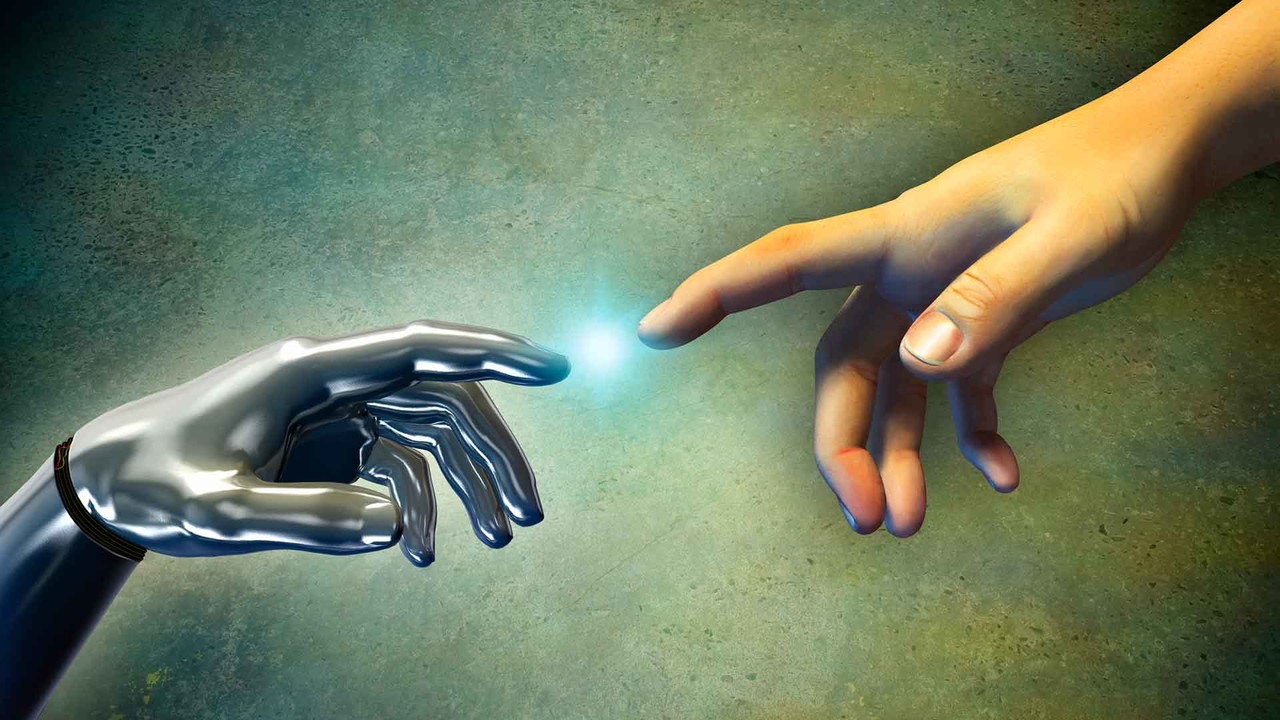
Human speech is becoming more “AI-like” — a new form of cultural transmission from AI to humans.
Research from the Max Planck Institute for Human Development (MPIB) in Germany has revealed something unexpected: since the release of ChatGPT at the end of 2022, human speech is gradually shifting toward AI-like phrasing. This is not just a small or anecdotal change. It is statistically measurable, widespread, and surprisingly consistent across different forms of communication.
How AI Phrases Sneak Into Our Daily Conversations
The MPIB research team found that certain words frequently used by ChatGPT — such as “delve,” “swift,” and “meticulous” — have appeared more often in explanatory YouTube videos, podcasts, and educational audio content after ChatGPT became widely used. Even more striking, these AI-like expressions have started showing up in natural spoken conversations, interviews, unscripted speeches, and spontaneous discussions.
This suggests that AI may be subtly reshaping our language, one word at a time. Much like how social trends, memes, or popular phrases spread, AI-generated vocabulary appears to be entering our collective speech — not because anyone forces it, but simply because humans absorb the language they frequently encounter.
Are We Unconsciously Starting to Speak “Like an AI”?
Why do humans begin using words or patterns that originate from AI?
It turns out that we do this for the same reason we imitate the tone of friends, colleagues, writers, celebrities, or influencers — our brains naturally mirror what we read, hear, and interact with.
When Reading Changes Our Voice: A Familiar Human Habit
Anyone who reads regularly knows this phenomenon. After immersing yourself in a novel, your thoughts temporarily adopt the tone, rhythm, or vocabulary of the writer.
For example, after reading Yoshiki Tanaka’s “Legend of the Galactic Heroes,” the elegance of Tanaka’s style might linger in your writing or thinking. Similarly, Natsume Soseki’s “Botchan” can influence not only your writing but even your perspective.
Humans naturally internalize the voices they spend time with. In the past, these voices came from books, newspapers, teachers, or family. Today, one of those voices comes from AI systems — systems that generate millions of sentences every second across the internet.
From Books to Bots: How Influences on Our Thinking Have Evolved
We no longer interact only with content “Made by Homo Sapiens.” AI-generated text is now everywhere:
online articles
social media posts
email drafts
corporate documents
product descriptions
educational summaries
The more we read something, the more it shapes our internal language. And since AI is now involved in writing a huge portion of modern text, it is unsurprising that AI’s linguistic habits affect us.
Why Certain AI Words Spread Faster Than Others
Psycholinguistics shows that humans adopt new words when:
they are repeated often
they appear authoritative
they feel “clean,” “smart,” or “neutral”
they simplify expression
they are associated with productivity
AI language often uses crisp, neutral, universally understandable phrasing — making it easier for humans to imitate. AI-generated text also tends to overuse certain words, creating frequency-based reinforcement.
There are entire online discussions devoted to identifying “AI-like writing” by analyzing punctuation patterns, phrase frequency, and overly polished or balanced sentence structures.
The Hidden Shift in Our Speech After ChatGPT’s Arrival
Researchers also found that when humans use large language models to edit their writing, the resulting text tends to include vocabulary that is statistically more common in AI outputs.
This means humans unknowingly “inherit” AI linguistic habits even when they only use AI for editing or polishing.
I noticed this personally while creating materials with AI. Words such as “diversity,” “drama,” “a better future,” and “culture” appeared often, even in contexts where I wouldn’t normally use them. Over time, these words naturally blended into my writing style.
A Subtle Evolution in Modern Speech
If AI-generated text continues to fill our environment — blogs, posts, scripts, customer support responses — humans may unconsciously absorb those patterns. Over months and years, small shifts accumulate and influence overall language culture.
Our vocabulary might slowly tilt toward the tone and structure of AI systems, even if we never intend it.
Are AI Words Becoming Part of Our Natural Vocabulary?
This raises an important question: what about spoken language?
When Digital Writing Shapes Real-World Speech
Many people have noticed that reading certain online communities, forums, or text styles can influence their spoken language. For instance, spending time on a specific message board or fandom can make someone start using slang or expressions common in that community.
Similarly, if AI-generated text becomes a dominant part of what people read daily, its phrasing can slip into real-life speech.
Imagine reading polished, balanced, well-structured sentences every day from AI tools — your brain automatically begins mimicking them.
The New “Language Loop” Between Humans and AI
This brings us back to the MPIB study. Researchers wanted to examine whether the widespread use of ChatGPT and similar models had already begun shaping how people speak in real life.
They analyzed large datasets of speech before and after AI’s mainstream adoption and noticed clear shifts. Humans were picking up AI-favored vocabulary unconsciously.
Human Imitation: A Natural Response to New Inputs
The goal of the study was not just to observe vocabulary changes but to understand a deeper possibility:
Are humans beginning to imitate AI’s writing style without realizing it?
For thousands of years, human language influenced machines. Now, for the first time, machines may be influencing human language in return.
This suggests that linguistic evolution is becoming two-way:
from humans → to AI → back to humans.
This is something entirely new in the history of culture and communication.
Has the Era Arrived Where Humans Imitate AI?
The big question now is whether we are entering an era in which humans unconsciously model their language after AI instead of the other way around.
If AI keeps expanding into every corner of communication — education, entertainment, business, creativity — its influence will grow. And since humans naturally adapt to whatever language environment surrounds them, AI expressions may become embedded in everyday speech, shaping the future of communication and even thought patterns.
Language as a Two-Way Mirror
Language is no longer a one-directional flow from humans to machines. It has become a mirror — reflecting, absorbing, and reshaping in both directions.
This shift does not mean humans will lose individuality or creativity. Instead, it highlights how deeply integrated AI has become in our cultural environment — not just as a tool but as a linguistic presence.
And whether we notice it or not, our speech is quietly evolving in response.