
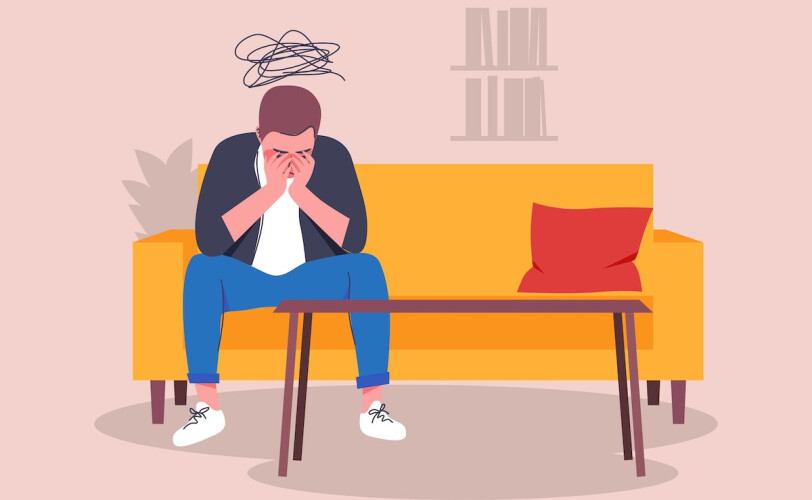
Stress in Teens: How to Track and Reduce the Damage
Your child is having a harder time than it seems.
From this article you will learn:
What teenage stress is and why it occurs
How to recognize stress in a teenager
Why family relationships matter deeply
How to know when stress becomes dangerous and requires a specialist
What is teenage stress?
Teenage stress is emotional tension caused by a reaction to environmental, social, biological, or psychological factors.
Stress is completely natural for teenagers. Their brain is undergoing a neurotransmitter “storm,” causing their inner world to shift sometimes hourly. Emotions run high, impulse control is minimal, and at the same time, they face enormous daily challenges: identity, friendships, academic pressure, first love, body changes, and future decisions.
The life of someone who is “no longer a child but not yet an adult” changes dramatically both inside and out. During adolescence:
roles shift, especially when moving from elementary to middle or high school
the body and hormonal system transform rapidly
there is a realization that parents are not always right, and the world is full of diverse opinions
behavioral patterns and coping strategies begin forming
the prefrontal cortex develops, but is far from mature
Teenagers are not mini-adults. They are humans living in a rapidly changing body, mind, and world. They struggle not because they are weak, but because they haven’t yet built the emotional and mental muscles needed to manage the intensity of teenage life.
When signals of stress are ignored, the risk of the stress becoming chronic increases. Teen mental health is like the foundation of a house—if cracks appear early, fixing them later becomes extremely difficult. However, completely shielding a teen from all stress is also not helpful; some stress is part of healthy growth.
What are the types of teenage stress?
Stress comes in two forms: beneficial and harmful.
Mild, productive stress is called eustress. It pushes a teenager slightly outside their comfort zone and helps them grow. For example, feeling nervous before exams, competitions, or meeting new people. They worry, but they manage the emotions and move forward.
Harmful stress is called distress. This is the type that drains energy, causes emotional burnout, and affects physical and mental health.
It’s important for teens to understand the difference. Distress triggers a range of intense emotions, such as:
anxiety about grades, relationships, the future, or adult expectations
sadness, apathy, loneliness, confusion
anger or irritation caused by pressure or lack of understanding
shame about appearance, mistakes, or unmet expectations
guilt when they feel they disappoint others
fear of change, conflict, or uncertainty
helplessness—“Nothing I do will help or change anything.”
These emotions may appear suddenly or subtly, through behavior changes, mood swings, physical complaints, or avoidance. Untreated distress can lead to anxiety disorders, depression, sleep problems, eating disorders, and destructive habits.
Teens need support, safe communication, and healthy coping strategies. Having someone who sees them, hears them, and believes in them is one of the strongest factors in preventing emotional damage.
How to recognize stress in a teenager
Teens rarely come forward and say, “I’m stressed.” Instead, they show it indirectly:
irritability, withdrawal, or sudden aggression
extreme mood swings
fatigue, headaches, stomach aches
changes in sleep—sleeping too little or too much
loss of interest in hobbies, friends, sports
obsession with school performance or appearance
frequent phrases like “I’m tired,” “I don’t care,” “I won’t succeed”
Even if it looks like “typical adolescence,” it doesn’t mean the stress is mild. Parents should treat emotional changes seriously.
Family relationships deeply influence teen well-being. Changes within the family—conflicts, divorce, financial issues, illness, relocation—can amplify stress.
Teenagers react to pressure in different ways. Some explode; others hide; some over-study; others shut down emotionally.
How different teens handle stress
Based on modern research, here are several patterns of teenage stress responses. These are not strict categories; a teen may show multiple types.
Type One: The Tired Academic
Obsessed with grades, future plans, or university admission.
Need: to feel competent and successful.
How to help: break tasks into steps, discuss realistic goals, normalize failure, plan rest together.
Type Two: The Indifferent One
Says “I don’t care,” avoids choices, doesn’t want responsibility. Often masks fear of failure.
Need: sense of autonomy.
How to help: let them make small decisions, support self-expression, slowly build responsibility in layers.
Type Three: Relationship Dependent
Worries constantly about friendships or romantic relationships.
Need: emotional stability and belonging.
How to help: reassure them, help them build boundaries, show unconditional parental love.
Type Four: The Undefined Dreamer
Doesn’t know what they want in life and fears choosing wrong.
Need: self-understanding.
How to help: explore hobbies, discuss options without pressure, use personality or career tests.
Type Five: The Loner
Feels unnoticed, avoids socializing, lacks emotional support.
Need: acceptance and connection.
How to help: gently encourage interaction, validate feelings, help them discover safe communities.
Type Six: Cognitively Overloaded
Feels overwhelmed by tasks, information, and expectations.
Need: rest and simple planning strategies.
How to help: teach prioritization, reduce overload, create calm routines, remind them they are valued beyond achievements.
Type Seven: The Overthinking Philosopher
Constantly reflects on life, meaning, success, failure.
Need: reassurance and grounding.
How to help: listen without judgment, encourage creativity, teach mindfulness and emotional balance.
Even with supportive parents, some teens continue to struggle. This does not mean parents are doing something wrong. Teen emotions can be overwhelming, even in loving homes.
Sometimes the best parenting is to stay present, stay calm, and seek professional help when necessary.
When stress becomes a pathology and it’s time to see a specialist
If you notice the following signs, seek help immediately:
stress lasts more than a few weeks
stress gets worse over time
the teen talks about self-harm or suicide
sharp changes in sleep, weight, or behavior
the teen asks for help
This is a sign of courage, not weakness.
Depending on the teen’s needs, cognitive-behavioral therapy, dialectical therapy, art therapy, or individual counseling may be recommended. Family therapy often supports both parents and teens.
Teenage stress often stems from a lack of emotional regulation — a skill that is still developing. Emotional regulation means recognizing your feelings and choosing how to respond, instead of reacting impulsively.
It can and must be developed. Tools include:
deep, steady breathing
pausing before reacting
journaling feelings
reframing negative thoughts
mindful movement or physical activity
Each teenager is unique. Reducing the harm of stress requires paying close attention to emotional and physical well-being. With patience, empathy, and guidance, parents can help their teenager navigate this intense phase with resilience and confidence.